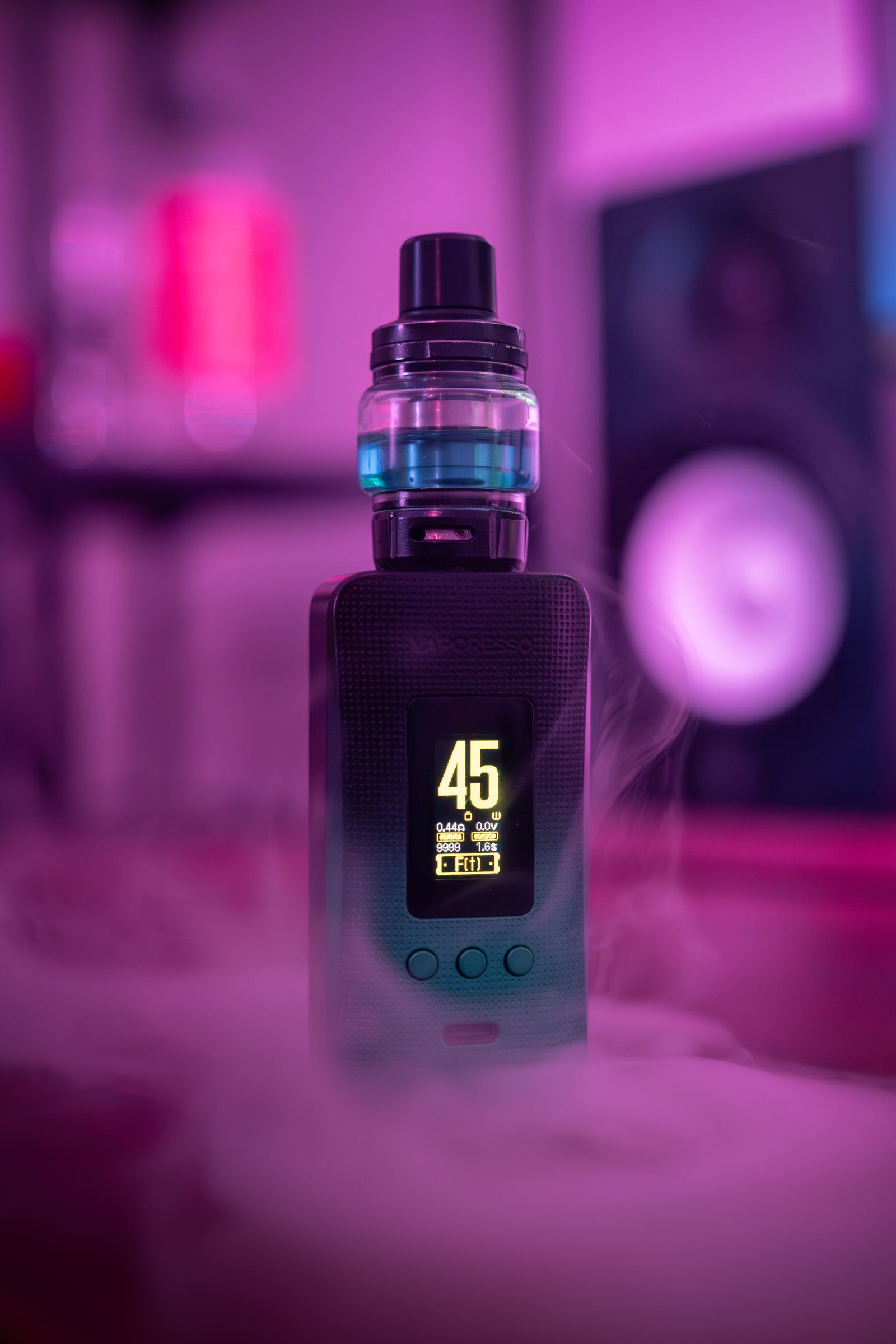
Treat the craving like a wave, not an instruction
A craving can feel urgent, but you do not have to act the moment it appears. Quit Australia notes that cravings often pass within minutes. Your first job is to create a little time.
Say “not now” rather than trying to solve forever in that moment.
Use a simple four-part response
Quit Australia teaches the 4 Ds: delay, deep breathe, drink water and do something else. Choose a version that feels natural to you.
For example: wait five minutes, take slow breaths, sip water, then walk outside or message someone. The steps are simple on purpose.
Move away from the cue
If the craving arrives beside someone vaping, in the smoking area, or while your old vape is in reach, change the setting. Walk to another room, leave the area, or remove the device.
Physical distance gives the craving plan more room to work.
Keep your mouth and hands busy
Gum, mints, water, a straw, pen or small object can help with the familiar hand-to-mouth part of vaping. Use something that is safe and easy to carry.
This does not treat nicotine withdrawal, but it can help with the behavioural part of the cue.
Get help when cravings stay hard
Nicotine withdrawal can make cravings stronger. A GP, pharmacist or Quitline can help you understand support options. You do not need to prove you can handle every craving alone.
In Australia, Quitline is available on 13 7848.
Look closely at where vape cravings gets difficult
The useful part of a habit plan is the part that survives the difficult moment. For vape cravings, that moment is often the few minutes when the urge feels urgent and your attention narrows around getting a vape. Write that situation down in plain words. It is much easier to improve one real scene than a vague goal.
Watch for how long the urge lasts, what triggered it and which response helps it pass without vaping. You do not need a detailed diary. A short note for a few days is enough to show whether the same cue keeps appearing.
A common mistake is arguing with the craving for a long time while staying beside the vape or the person who is using one. If that sounds familiar, change the plan around the weak point rather than adding a stricter rule to the whole day.
If a craving hits in the car, pull into the routine you planned: water, gum, different music and no vape stored in the console. That kind of test gives you something clear to compare instead of another promise to be more disciplined.
Let the environment do some of the remembering
Set up the next attempt before the difficult window begins: keep a simple craving card or note with delay, breathing, water and one distraction you actually use. This matters because small pieces of friction feel much larger once you are tired, rushed or distracted.
Put the cue and the action close together. If you need to search, charge, pack, choose or remember several things first, each extra step gives the old routine another chance to win.
Keep the setup boring and repeatable. A system that looks impressive but takes ten minutes to prepare is not helping if the habit itself only needs five minutes to start.
Decide what the smaller version looks like
Hard days are easier when the backup is already defined. For this habit, a useful backup is to contact Quitline, a GP, pharmacist or support person when cravings feel hard to manage alone. The backup should protect the direction of the change without pretending the full plan always fits.
Use the smaller version without adding guilt or a catch-up rule. You are trying to keep the next good decision close, not create debt that tomorrow has to repay.
If the backup gets used every day, that is useful evidence too. It may mean the original target is too large or the chosen time is a poor fit.
Change the part that keeps failing
When the same problem repeats, change location quickly and use professional nicotine support if withdrawal is driving repeated strong cravings. Change one thing at a time so you can see whether it actually helps.
Give the new version several normal chances. One great day or one terrible day does not tell you much. Repeated ordinary days are better evidence.
The sign you are looking for is simple: you learn that an urge can rise and pass without deciding your whole quit. That is more useful than making the habit look perfect on a calendar.
Review the pattern without turning it into homework
At the end of the week, look back at how long the urge lasts, what triggered it and which response helps it pass without vaping. Ask what was different on the easiest day and the hardest day.
Choose one practical change for the next week. Keep everything else steady. Small experiments are easier to understand than redesigning the entire plan every few days.
If you use MotiveHabit, this is the kind of evidence worth recording: the planned time, the real time, the size of the action, the main friction and what helped you return. For vape cravings, those details can make the next plan more realistic.
Questions people often ask
How long does a vape craving last?
Quit Australia says cravings often last only a few minutes, although they can return. The first days and weeks can be more difficult for some people.
What if craving strategies are not enough?
Speak with a GP, pharmacist or Quitline about additional support, especially if nicotine withdrawal is strong.
Turn the advice into your own routine.
You can learn a lot by noticing when the habit actually happens, what makes it easier to start, what gets in the way and what helps you return after a miss. MotiveHabit is designed to help you collect those patterns over time without replacing the practical advice above.