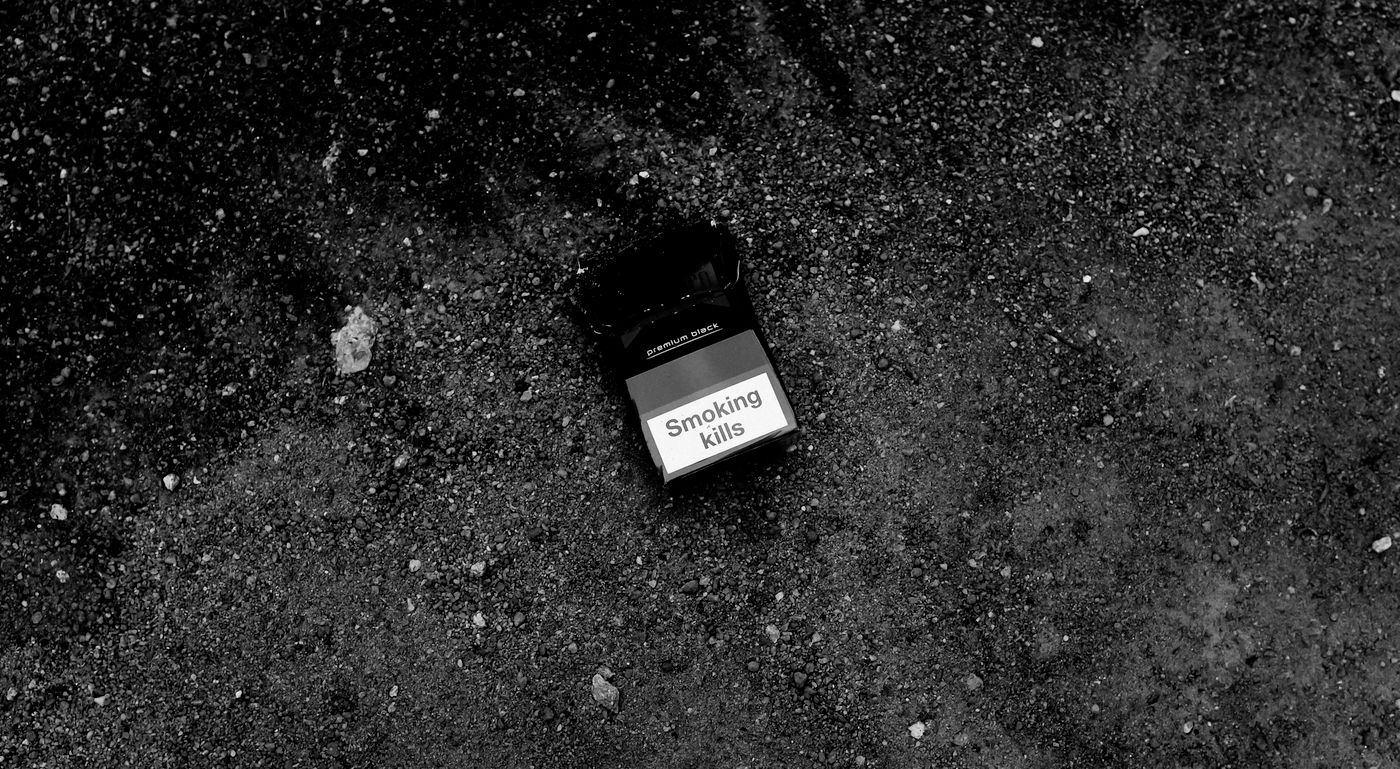
The night before matters
Choose tomorrow’s breakfast, travel route and break times in advance. Throw away cigarettes and remove reminders from your usual spots. Put a drink, snack or another simple activity where your cigarette packet normally sits. If other people smoke at home, ask them not to offer you cigarettes. Having the morning ready reduces the number of decisions you face before you are fully awake.
Give the first morning a different shape
A familiar routine can set off an urge before you have even thought about smoking. If you always smoke with coffee on the back step, drink it at the kitchen table or take it on a short walk. If you used to smoke before getting in the car, leave a few minutes earlier and start a podcast instead. The goal is not a perfect new life. It is one slightly different morning.
Make a five-minute craving kit
Keep a bottle of water, something safe to do with your hands and a list of two people you can contact. When an urge arrives, delay, breathe slowly, sip water and do something else. If you are using nicotine replacement therapy, follow the directions from your pharmacist or clinician. A craving can feel urgent without requiring an immediate action. Your job is to make the next few minutes easier.
Plan lunch and the afternoon dip
After lunch is a common smoking cue. Decide where you will go and what you will do when you finish eating. An afternoon lull can bring tiredness or irritation, so make the next task small and take a short break before you feel overwhelmed. If you work with people who smoke, you can still have a break without joining the smoking group. Consider a different outdoor spot.
Finish the day without judging it
At night, record which moment was hardest and what helped. Did a phone call work better than walking? Was the drive home more difficult than breakfast? Use the answer to make tomorrow easier. You can be proud of effort while still recognising that withdrawal can be unpleasant. If the first day did not go to plan, ask what you need to change and try again.
If the first day includes a cigarette
Do not expect the day to feel effortless. Hunger, poor sleep or a busy commute can make urges feel bigger. If you smoke, stop there rather than deciding the entire day is wasted; revisit the trigger and restart. The aim is to protect your next decision, not to pretend the difficult moment never happened.
Write the plan for your normal first cigarette
Work backwards from the time you usually smoke first. If it happens with coffee at the back door, set up breakfast somewhere else before bed. If it happens in the car, remove the packet and lighter and choose what you will listen to on the drive. Do not leave the first decision until the urge arrives.
Have a version for a rushed start as well. You might take breakfast with you, use a different doorway or call a supportive person once safely parked. The aim is to change the first move in the chain, not to build a perfect new morning routine overnight.
Ask for the kind of help you actually want
“Support me” can mean different things to different people. Try a clear request: “Please do not offer me cigarettes,” “Could you take the children for ten minutes after dinner?” or “Can we go somewhere smoke-free for lunch?” One useful request is easier to act on than a general announcement.
If somebody you live with smokes, agree on where cigarettes and lighters will be kept out of your sight. You cannot control another person’s decision to smoke, but you can ask them not to leave a packet on the kitchen bench or invite you out for the usual break.
Plan for the hour you cannot control
Your best preparation may meet an unexpected late shift, a child who will not settle or a long wait at an appointment. Choose a backup that stays with you: a short written craving plan, your support contact and any suitable items you can safely carry. A quiet half-hour at home may be unavailable, but a short pause is often still possible.
If the usual meal is delayed, get something simple to eat rather than waiting until hunger adds to the strain. If a conversation becomes tense, ask for a pause before it turns into an argument. Where possible, move away from visible cigarettes before trying to decide what to do.
At the end of the day, distinguish what was outside your control from the next action you could change. You cannot guarantee a calm afternoon tomorrow. You can prepare a snack, a different waiting spot or a request for help. That is enough to make the next version of the plan more useful.
Record the day without turning it into an exam
Before bed, note what happened at breakfast, after lunch and in the evening. Which part needs a different plan tomorrow? Use the MotiveHabit Journal for that detail and record the day as it happened. A check-in is useful because it keeps the record honest, not because it proves the day felt easy.
If you smoked, stop that episode and return to your plan. Do not turn one cigarette into permission to finish a packet. If the whole day felt hard, speak with a pharmacist, GP or Quitline about support rather than planning to force your way through another day alone.
Questions people often ask
What should I remove before quitting?
Cigarettes, lighters, ashtrays and any spare packets you know you might reach for.
What if I crave a cigarette first thing?
Use your pre-planned breakfast replacement and any suitable treatment recommended by a clinician.
What if I smoke on day one?
Stop, review what triggered it and return to the plan without waiting for another date.
Do I need a completely free day to start?
Not necessarily. Choose a day when you can put some support in place, then plan around the commitments you actually have. Waiting for a perfect empty day can keep the decision on hold.
What should I prepare the night before?
Remove cigarettes and lighters, decide what happens during your usual first cigarette and put your craving plan where you can use it. Confirm any treatment instructions with your health professional.
Turn the advice into your own routine.
You can learn a lot by noticing when the habit actually happens, what makes it easier to start, what gets in the way and what helps you return after a miss. MotiveHabit is designed to help you collect those patterns over time without replacing the practical advice above.