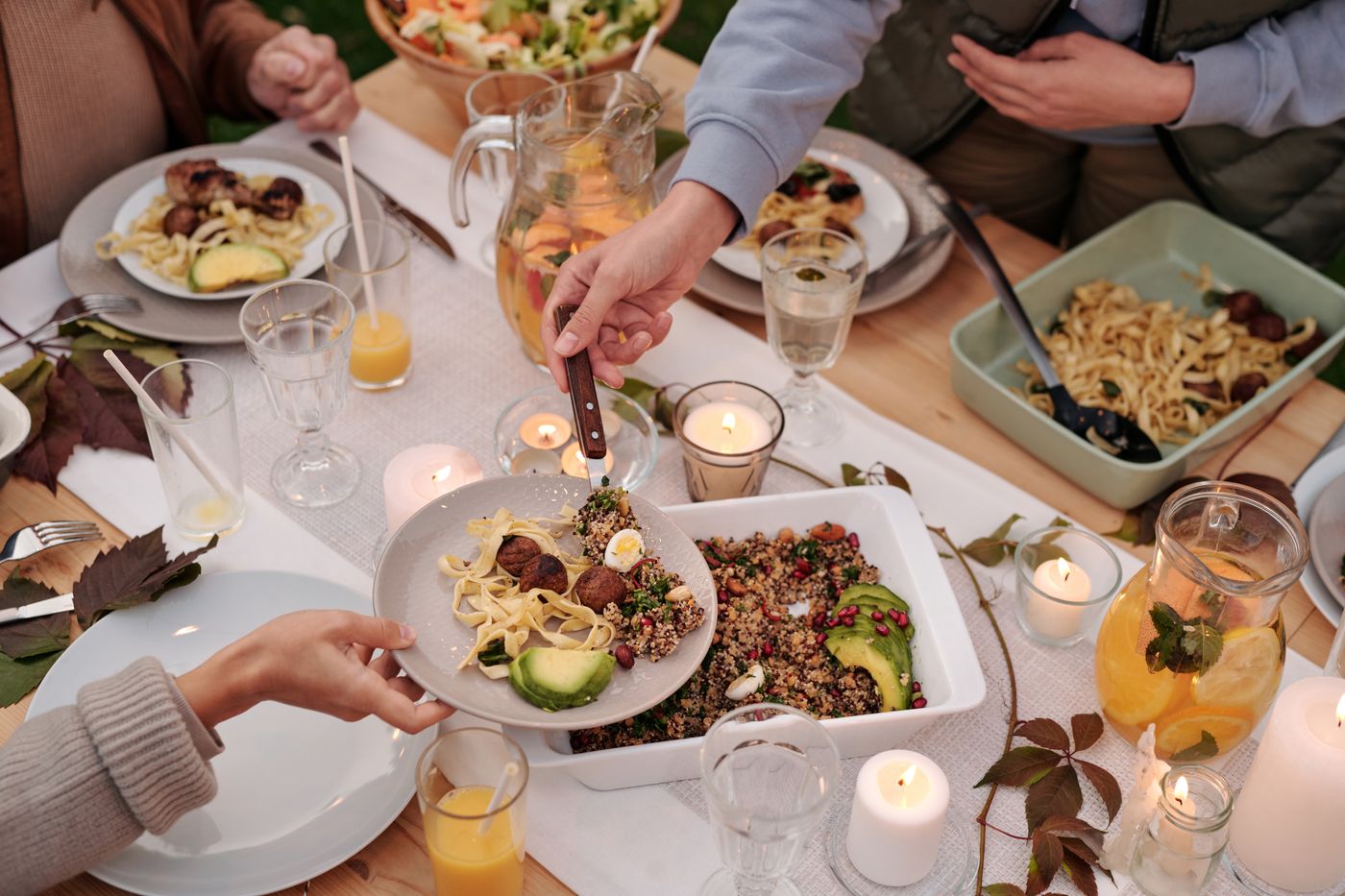
Why meals can bring a strong urge
A cigarette may once have marked the end of breakfast, lunch or dinner. Your body can learn that “finished eating” means “time to smoke.” The urge may come even when you are full and relaxed. Plan for that small transition rather than assuming you will remember your goal once you stand up.
Change the first minute after eating
Stand up, clear your plate and move away from the usual smoking place. Brush your teeth, chew sugar-free gum if suitable for you, wash dishes or walk to the letterbox. The first action matters because it replaces the moment when you would normally reach for cigarettes. Pick a response you can repeat when eating at home and a simpler version for restaurants.
Keep the break you actually liked
Sometimes the cigarette was an excuse to step away from the table. You can keep the break without smoking. Take five minutes in the garden, stretch or look at the sky. If you liked talking with someone outdoors, invite them for a short walk. Do not remove every pleasant part of the ritual. The goal is to separate the pleasant pause from the cigarette.
Plan for meals with other smokers
Before a family gathering, decide where you will go when people head outside to smoke. You might stay at the table, help with dishes or speak with a nonsmoking guest. Practise a short sentence such as “I’m skipping cigarettes now.” You can be polite and still protect your plan. For the first few weeks, shorter visits may be easier.
Notice which meal is hardest
Your breakfast routine may change quickly while dinner remains difficult because of alcohol, tiredness or company. Track the urge after each meal for a few days. Choose one meal to work on first and test a replacement you enjoy. If nicotine withdrawal is part of the problem, ask a pharmacist or GP about evidence-based treatment rather than relying on routine changes alone.
If the replacement feels like too much work
Do not turn the replacement into an enormous chore. Washing the entire kitchen may be too much on a tired night; carrying your plate to the sink is enough to change the first move. If you have a cigarette after one meal, keep the replacement ready for the next meal rather than dropping the whole experiment.
Give breakfast, lunch and dinner separate endings
One plan may not fit every meal. At home after breakfast, you could wash the mug and move to another room. At work after lunch, you could walk to a smoke-free part of the building. After dinner, make tea before anyone heads outside.
Choose the meal with the strongest link first and prepare the new ending before you sit down. Leave the tea ready or decide the walking route. Do not rely on remembering a good idea when you have already stepped into the old smoking spot. The first movement after the meal matters.
Keep the reward, shrink the task
If dinner used to end with five peaceful minutes outside, replacing that with a full kitchen clean may feel like punishment. Clear one plate, then take a quiet break somewhere smoke-free. Keep the part you valued while changing the route to it.
On a busy evening, the minimum might be standing up and filling a glass of water. That small action is a bridge to your craving plan, not a promise that an urge will vanish. Choose something you can repeat when tired, at a friend’s home or after takeaway food.
A plan for lunch when your colleagues smoke
Join the meal if you want the company, then decide on your own ending before anybody stands up. Put your lunch things away and take a short walk somewhere else. Ask a colleague who is not smoking to come with you, or plan a brief phone call once you are free to talk.
If everyone heads outside, use a short reply: “I am doing a different break today; see you back inside.” It helps to keep the words ordinary. You are changing the smoking part of lunch, not ending the friendship or asking people to discuss your decision each day.
If you cannot leave your work area, choose another small closing action, such as washing the container and filling water. Repeat the same first move for a few lunches. A clear ending can be easier to follow than sitting beside the old exit and trying not to think about cigarettes.
Use your Journal to find the difficult meal
Write the meal and setting in MotiveHabit when an urge is strong: “Dinner at home, others went out to smoke.” Note whether you stayed inside, changed seats or joined the washing-up. You do not need to create three extra habits to keep these details.
Look for the scene that repeats. If breakfast is comfortable but dinner keeps causing trouble, change dinner first. If strong urges happen throughout the day, ask about support for withdrawal as well. The new meal ending can help with the cue while treatment addresses another part of quitting.
Questions people often ask
Why do I crave a cigarette after eating?
Repeated smoking after meals can turn the end of a meal into a learned cue.
What should I do instead?
Start one small action immediately, such as clearing the plate or making tea.
Will the urge go away?
Cues can weaken over time, but their pace differs between people.
Does the same replacement need to work after every meal?
No. Breakfast at home, lunch at work and dinner out can have different cues. Keep each response simple and available in that setting.
What if I liked the quiet after-dinner break?
Keep a quiet break in a smoke-free place. You do not have to replace rest with a large chore to change the smoking part of the routine.
Turn the advice into your own routine.
You can learn a lot by noticing when the habit actually happens, what makes it easier to start, what gets in the way and what helps you return after a miss. MotiveHabit is designed to help you collect those patterns over time without replacing the practical advice above.